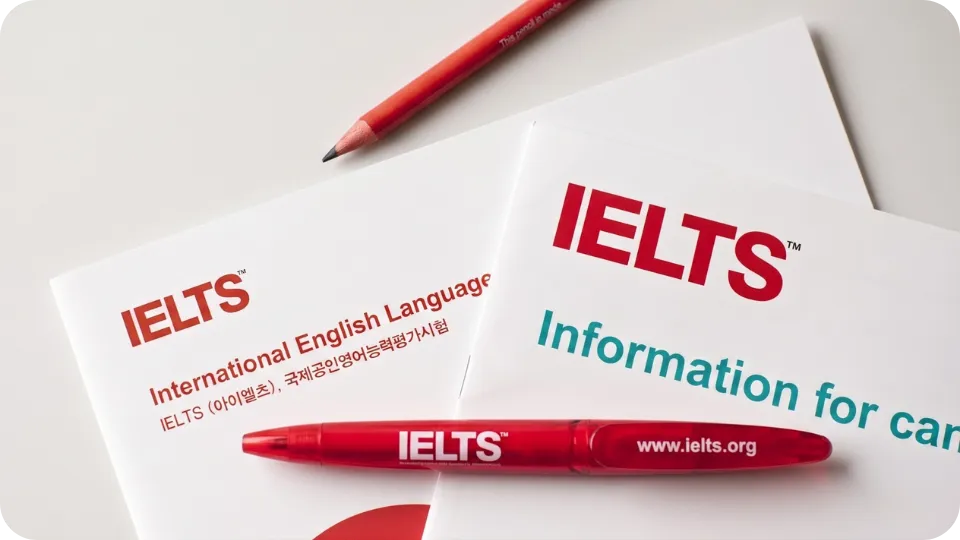
The IELTS exam is one of the most popular English language proficiency tests in the world. Whether you are planning to study abroad, immigrate, or work in an English-speaking country, IELTS is often a key requirement.
Many students find the IELTS exam stressful, but with the right preparation and understanding of the format, you can approach it with confidence. This guide will help you understand the IELTS exam structure, scoring, preparation tips, and how to achieve your target band score.
What Is the IELTS Exam
IELTS stands for International English Language Testing System. It measures your English language proficiency in four key skills: listening, reading, writing, and speaking.
The IELTS exam is accepted by universities, immigration authorities, employers, and professional organizations worldwide. It is commonly required for countries such as Canada, the UK, Australia, New Zealand, and the USA.
There are two main types of IELTS exams. IELTS Academic is designed for students applying to universities and higher education institutions. IELTS General Training is suitable for immigration, work, or training purposes. Choosing the right test depends on your goals.
IELTS Exam Format
The IELTS exam consists of four sections that test different language skills.
Listening Section
The listening section lasts for 30 minutes and includes four audio recordings with 40 questions. These recordings include conversations and lectures in different accents. This section tests your ability to understand spoken English in real-life situations.
Reading Section
The reading section lasts for 60 minutes and includes three passages with 40 questions. The Academic version includes more complex topics, while the General Training version focuses on everyday situations and workplace contexts.
Writing Section
The writing section lasts for 60 minutes and includes two tasks. In Task 1, Academic candidates describe charts, graphs, or diagrams, while General Training candidates write a letter. Task 2 requires you to write an essay expressing your opinion, argument, or discussion on a given topic. This section evaluates your grammar, vocabulary, and clarity of ideas.
Speaking Section
The speaking section lasts between 11 to 14 minutes and is conducted as a face-to-face interview. It is divided into three parts. The first part includes an introduction and personal questions. The second part includes a cue card topic where you speak for one to two minutes. The third part includes a deeper discussion based on the topic.
The speaking test evaluates your fluency, pronunciation, vocabulary, and grammar. Although many students find this section challenging, it is often the easiest to improve with regular practice.
IELTS Band Score Explained
IELTS scores range from Band 1 to Band 9. Each section receives an individual band score, and the average becomes your overall score.
Most universities require a band score between 6.0 and 7.0. Competitive programs may require 6.5 to 7.5 or higher. Immigration programs often require 7.0 or above, depending on the country and visa category.
Understanding your target score helps you prepare more effectively.
How to Prepare for IELTS
Preparation begins with understanding the exam format. Knowing what to expect helps reduce anxiety and improves time management. Consistent practice is also important. Even 30 minutes daily can significantly improve your performance.
Improving vocabulary is another key step. Focus on academic vocabulary, everyday expressions, and learning how to paraphrase ideas. Practicing speaking regularly helps build fluency and confidence. Taking mock tests also helps you manage time, understand question patterns, and identify weak areas.
Common Mistakes to Avoid
Many students lose marks due to poor time management, memorizing speaking answers, ignoring grammar mistakes, and not reading instructions carefully. Lack of consistent practice is another common issue.
Avoiding these mistakes can improve your score significantly.
How Long Should You Prepare for IELTS
Preparation time depends on your current English level. Beginners may need two to three months of preparation, while intermediate learners may need one to two months. Advanced learners often prepare within a few weeks. Regular practice helps you improve faster and build confidence.
Final Thoughts
Preparing for the IELTS exam may seem challenging at first, but it becomes manageable with the right strategy. Focus on understanding the exam format, practicing consistently, and improving your weak areas.
Remember, IELTS is not about perfect English. It is about communicating clearly and effectively.
As your language learning partner, here is one simple piece of advice. Start early, stay consistent, and track your progress. With the right preparation and mindset, achieving your target band score is absolutely possible.